Getting a slab poured, a driveway resurfaced, or a patio finished in Tampa feels straightforward until quotes arrive and the differences look like another language. Prices vary, timelines shift, and small details hide big costs. I’ve stood at several suburban yards in Tampa, clipboard in hand, watching homeowners compare line items and realize they were comparing apples to oranges. This guide walks through the practical steps I use when evaluating bids from concrete contractors so you affordable concrete finishing contractors end up with the quality you want, not just the lowest number.
Why the gap between two quotes can be wide
Florida’s climate, permitting rules, and local supply chains create real variability in a quote. One contractor might include site cleanup and a full base prep, another might assume the homeowner will clear weeds and old concrete. One quote might price 4,000 psi mix with fiber reinforcement, another a generic 3,000 psi bag mix. Labor availability and travel time inside Tampa’s metro area also affect price; a crew based near Ybor City will charge differently than one coming from Riverview during peak traffic.
Think of every quote as a package of assumptions. Your job is to unpack those assumptions and compare what’s actually being offered.
Start with the scope, not the total
The most common mistake is glancing at the bottom-line price and stopping there. Instead, read the scope of work first. A properly written scope tells you what’s included, what’s excluded, and what will happen on each day of the job. It answers these questions: how deep will they excavate, what compaction standard will they meet, what concrete mix will they use, and how will they finish and cure the slab?
A clear scope saves surprises. If one bid includes removal of the old driveway and the other does not, the totals are not comparable. If one specifies a broom finish and the other a stamped surface, you cannot directly compare cost per square foot.
Key items to verify in every quote
Below is a short checklist to run through as you read each bid. These are the practical details that most owners overlook, and they materially change cost and outcome.
- precise scope of work and exclusions concrete mix specification and reinforcement details site prep, base material, and compaction requirement jointing, thickness, and edge treatment warranty, cleanup, and timeline
If a quote lacks any of these items, ask the contractor to clarify and put the response in writing. Short phone assurances are convenient, but they are not enforceable in case of later disputes.
Concrete mix, reinforcement, and performance
When two bids differ by a few hundred or a few thousand dollars, much of that difference can be traced back to the concrete itself. Look for these concrete-specific items:
- compressive strength specified in psi. For driveways and patios, 3,500 to 4,000 psi is common. For exposed aggregate or heavier loads, higher strength may be necessary. use of admixtures such as air entrainment, especially important in Florida where moisture and occasional freeze are less of a concern than long-term durability and workability. fiber reinforcement or welded wire mesh. Fibers reduce plastic shrinkage and hairline cracking, while mesh controls crack width and placement. slump and water control. A contractor who controls water content and slump consistently produces stronger, more durable slabs.
If a quote only says "standard concrete" without numbers, push for a specification. A realistic, industry-standard specification is not bargaining bait; it protects both you and the contractor.
Site preparation and base material matter more than many people expect
I once saw a homeowner choose the cheapest quote for a new patio. The crew poured the concrete over poorly compacted sand without a proper base. Within six months the slab settled unevenly and cracked around the edges. The cheaper bid had excluded proper base work; the owner paid far more to rebuild than the difference between bids.
Ask about the following and insist these be written into the contract:
- excavation depth measured from finished grade. base material type, depth, and compaction standards, usually crushed stone compacted to a minimum of 95 percent within a specified Proctor density. grading and drainage measures to direct water away from structures and prevent ponding on the slab. whether any existing concrete will be removed and how disposal costs are handled.
These items explain a lot about price differences. Good base work takes time and equipment, and it shows in the long-term performance of the slab.
Finishes, joints, and edge details are not cosmetic afterthoughts
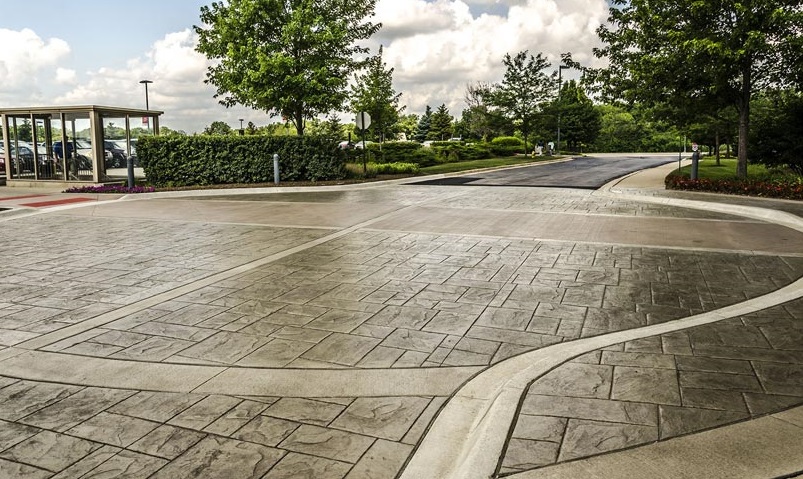
Finish type changes labor and skill requirements. A broom finish driveway is quick and common. A stamped, stained, or exposed aggregate surface requires more crew skill, special tools, and longer cure times. Look at these specifics:
- joint spacing and type. Control joints influence how and where cracks form. Random cracking is often the result of omitted or incorrectly timed joints. edge treatment. A troweled rounded edge looks different and wears differently than a chamfered edge or a hand-formed decorative edge. curing method and schedule. Proper curing—wet curing, curing compounds, or coverings—keeps the concrete hydrated and strengthens the slab. Skimping on curing speeds can lead to surface dusting and lower strength.
When a contractor lists finish work, ask to see recent photos of finished jobs with the same finish. A contractor’s portfolio often reveals whether their finished product matches the promised specification.
Permits, inspections, and compliance with local rules
Tampa and Hillsborough County have building codes and permit requirements that affect concrete work. A contractor who includes permits and inspection coordination in the quote is taking responsibility for compliance. If a contractor excludes permits, that can be a red flag: either they’re cutting corners to lower price, or they expect you to manage the paperwork.
Ask whether the quote includes:
- permit fees and pulling permits as required by the local jurisdiction. coordination with inspections during key stages such as footing, rebar placement, or final slab inspection. compliance with any HOA requirements, if applicable, for color or finish.
Liability, insurance, and warranties
Concrete work involves heavy equipment, trucks, and a team of laborers. Make sure liability is clear before work begins. Verify these items and request documentation:
- proof of general liability insurance and worker’s compensation insurance with limits and policy numbers. warranty terms. Many contractors offer a standard one-year workmanship warranty; some extend structural warranties for specific defects. Warranties typically exclude normal shrinkage cracks, but they should cover significant defects from improper placement or materials. who is responsible for damage to landscaping, sidewalks, or underground utilities. Confirm that the contractor will locate utilities and that any required markings are done prior to excavation.
Do not assume the cheapest bid is covered by adequate insurance. Ask for and keep copies of the insurance certificates.
Timing, scheduling, and the weather in Tampa
Concrete quality depends on timing. Pouring on a windy, hot afternoon without proper curing can cause surface crazing and shrinkage cracks. Contractors should provide a realistic schedule and contingency plans for rain.
Ask contractors to include the following in the quote or contract:
- start and completion dates, with tolerances for weather-related delays. daily work hours and expectations for site access and homeowner responsibilities. whether the company monitors weather forecasts and postpones pours for unsafe conditions. how change orders will be handled and priced if scope changes mid-job.
A reliable contractor will be candid about scheduling pressures and will not promise unrealistic timelines just to win the job.
Comparing prices: unit costs and hidden add-ons
When comparing bids, normalize them to unit prices where possible. For instance, compare cost per square foot after ensuring thickness, reinforcement, and finish are identical. However, even normalized costs can hide add-ons such as disposal fees, mobilization charges, or rebar that’s only listed as an optional line item.
Make a simple comparison table for yourself that lists:
- total price price per square foot included items such as base prep, reinforcement, finishing, and cleanup excluded costs like permits, tree removal, or driveway approach costs
Seeing these items side-by-side forces clarity. If one contractor lists "cleanup" and another lists "cleanup plus sweeping and edge restoration," that is a real difference in scope, not a negotiation trick.
Red flags to watch for
Choose contractors who communicate clearly and back their quotes with specifics. Some warning signs include:
- a quote with only a single line item and a lump-sum price without a breakdown pressure to sign quickly with promises of a discount that expires in 24 hours contractors who insist on all cash up-front without a clear payment schedule lack of references or reluctance to show photos of recent work missing insurance certificates or vague answers about licenses
Ask for references and then call them. Ask the reference about adherence to schedule, cleanup, and how closely the final price matched the original quote. Past performance is a strong predictor of future behavior in this trade.
Negotiation strategies that keep quality intact
If a quote is higher than your budget, resist the urge to simply demand a lower price. Instead, negotiate scope. Remove optional items you do not need, or request alternatives such as a broom finish instead of a stamped surface. Another effective approach is to ask for payment milestones tied to observable progress: partial payment at mobilization, another payment after forms and reinforcement are in place, and final payment on completion and cleanup.
Consider asking contractors to match competitors on apples-to-apples items, such as the same base depth, same mix strength, and same reinforcement. Many contractors will adjust price if they understand they are being compared fairly rather than only by bottom-line number.
Why local reputation matters more than a slightly lower quote
In Tampa’s concrete market, a contractor’s local reputation often outweighs a minor price difference. A company like All Phase Concrete, for example, may charge slightly more because they maintain full crews, modern equipment, and responsive project management. Those investments reduce job delays, rework, and callbacks. A cheap crew that finishes fast but cuts corners can cost you two or three times the initial savings in repairs over five years.
When checking reputation, look beyond star ratings. Search for recent project photos, ask neighbors in your area if they have seen the contractor’s work, and verify that the company has a physical address and a stable presence in the region. Tampa’s environment and soil conditions reward experience.
Example comparison scenario
Imagine three quotes for a 500 square foot patio. Contractor A quotes $4,500 and specifies 4,000 psi, 4-inches thick, fiber reinforcement, 4-inch compacted stone base, broom finish, and 1-year warranty. Contractor B quotes $3,200 for a 500 square foot patio with "standard concrete" but no mix strength, no base specification, and no warranty. Contractor C quotes $3,900 with 3,500 psi, 4-inches thick, welded wire mesh, no base included, and an optional stamped finish for $600 more.
At first glance, Contractor B is cheapest. But once you factor in base and warranty, Contractor B may become more expensive if they cut corners and you must repair settlement or cracking. Contractor A is the most complete. Contractor C sits in the middle but charges extra for a desired finish. The best choice depends on how much risk you will tolerate and whether you value a longer warranty and a solid base.
Making the final decision
When you pick a contractor, use a written contract that details the agreed scope, materials, timeline, payments, and warranty. Insist on a change order process so that any field adjustments are documented and priced. Hold back a reasonable final payment until the job is complete and you are satisfied with cleanup and finishing.
One practical tip: schedule a pre-pour walk-through with the crew. Verify layout lines, elevation, slope for drainage, and the location of any embedded items like sleeves or anchors. This short meeting prevents many disputes later.
A final note on concrete finishing contractors
Concrete finishing is a craft as much as it is a trade. "Concrete finishing contractors" who specialize in surface treatments, decorative work, or polished concrete bring skills that general contractors may not. If the surface appearance is critical, hire a finisher with demonstrable experience in the specific finish you want. Their price will reflect experience and the quality of their tooling. You will notice the difference in edge crispness, color consistency, and long-term wear.
Closing thought without platitudes
Comparing concrete quotes in Tampa is not about finding the lowest number, it is about understanding what you are buying. A clear scope, documented materials, proper base work, realistic schedule, and verified insurance and references convert a quote from an estimate into a predictable outcome. Take the time to ask targeted questions, normalize bids to common units, and prioritize contractors who write specifics into their contracts. That is where real value lives, and where you ultimately save money by avoiding repairs and rework.
If you want, I can help review two or three quotes side by side and point out the meaningful differences. Provide the text of the bids or photographs of the pages and I’ll highlight the assumptions and potential pitfalls.